
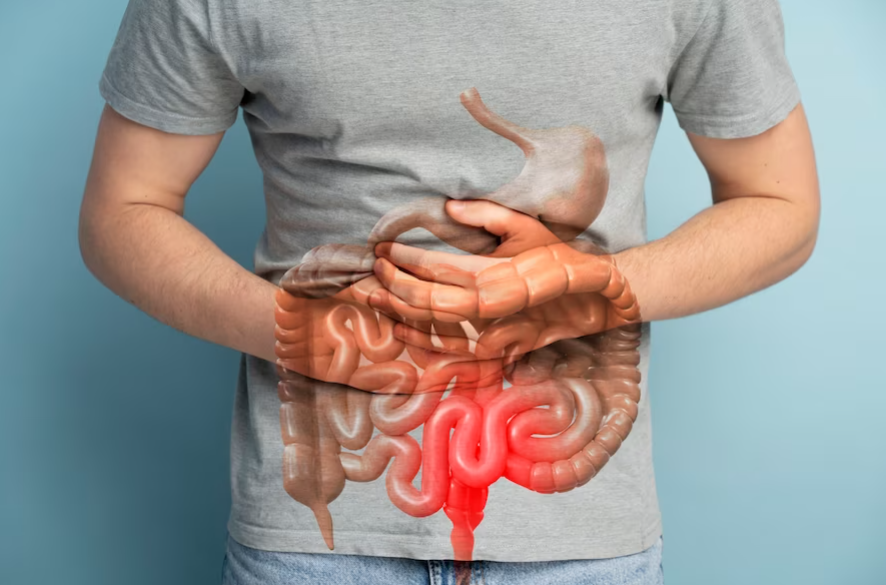
Chronic constipation can be more than simply an unpleasant bother; it can demonstrate a basic issue that requires medical treatment. While incidental constipation is normal, chronic constipation can have a negative impact on existence and wellbeing. But, how can you decide when to visit a specialist? We should take a look at what chronic constipation is, what causes it, and when to look for professional help.
What is Chronic Constipation?
Constipation is commonly characterized as having less than three bowel motions each week. Chronic constipation, then again, happens more than a little while or even months. You may also have hard, lumpy stools, considerable straining, or a sensation of incomplete evacuation.
If these side effects continue for over 3 months, they may be categorized as chronic, and focusing on your health is basic.
Common Causes of Chronic Constipation
Chronic constipation can result from various of conditions, including:
- Dietary Habits: A lack of fiber, insufficient water, and a high intake of processed food might make it hard to produce regular bowel movements.
- Lifestyle Factors: Inadequate exercise, conflicting toilet habits, and stress can all contribute to constipation.
- Medical Conditions: Medical conditions like hypothyroidism, diabetes, irritable bowel syndrome (IBS), and neurological diseases can all cause chronic constipation.
- Drugs: A few drugs, like pain killers, antidepressants, and calcium or aluminium antacids settling agents, could cause constipation.
When Should You See a Specialist?
So, how can you tell whether your constipation is more serious? Here are some signals that it's time to see a specialist:
- Constipation continues for more than 3 weeks.
If you've tried a stab at working on your diet, exercising regularly, and remaining hydrated but are still experiencing constipation, now is the ideal time to consult a best gastroenterologist in surat. Chronic constipation could flag an underlying issue that requires evaluation and treatment.
- Severe pain or discomfort.
Consistent acute stomach pain, cramps, or swelling alongside with is a warning. This could show a deterrent, irritation, or a more serious gastrointestinal condition.
- Blood in the Stool
If you find blood in your stool or on the toilet paper, you should look for clinical help immediately. This could imply haemorrhoids, anal fissures, or, in rare conditions, colorectal cancer growth.
- Unintentional Weight Loss
Losing weight without trying, along with constipation, could show a more serious medical condition, like a stomach related disease or cancer growth. It is critical to have this assessed by a healthcare expert.
- Family background of colon cancer.
If colon disease runs in your family, chronic constipation should never be ignored. An expert might suggest a colonoscopy or other screening methods to rule out serious conditions.
What to Expect from a Specialist Visit?
When you see a specialist for chronic constipation, they will most likely undertake embrace a complete evaluation, which includes a physical test and potentially tests, for example,
- Blood tests to look at thyroid function and other potential problems.
- Colonoscopy is used to really take a look at the colon for obstructions, polyps, or cancer.
- X-rays or CT scans are used to picture the digestive tracts and recognize abnormalities.
The specialist may also ask about your food, lifestyle habits, and drugs to rule out frequent causes.
Want to Know More? Check out our related blog on “Are You Suffering from Constipation? Causes and Remedies”
Treatment Options for Chronic Constipation
If a professional identifies ongoing chronic constipation, they will make a treatment plan that is specific to your needs. Normal medicines include:
- Dietary Changes: Increasing fiber intake (by natural products, vegetables, and whole grains) and drinking more water are as often as possible the initial measures.
- Drugs: Over-the-counter laxatives or prescription drugs may be used to promote bowel movements or soften stool.
- Behavioural treatment: Biofeedback and pelvic floor treatment can help with retraining your body to easily pass stools more effortlessly.
- Surgery procedure: In rare circumstances, If constipation is caused by a structural problem or blockage, medical procedure might be required.
How to Prevent Chronic Constipation
Making a couple of way of life changes can frequently assist with forestalling obstruction.
- Remain Hydrated: Drink a lot of water throughout the day to help with keeping your stool soft.
- Eat a Fiber-Rich Diet: Include more organic fruits, vegetables, and whole grains in your meals.
- Exercise regularly: Physical activity stimulates bowel motions, so try to move around each day.
- Lay out a Daily practice: Try to use the bathroom at the same time every day, ideally after dinners when your digestive tract is most active.
While it may be awkward or humiliating to talk about constipation, it is basic to pay attention to your body. Chronic constipation can be an indication of a larger health problem, and looking for professional care early on can help avoid issues in the future. If you have chronic problems, don't hesitate to see a doctor to get the help you need.


